1

Language of Flowers — Key Ideas to Explore
(0 User reviews)
975
Project Gutenberg
2010
Not confirmed
Flowers -- Poetry; Flower language
Readers of public-domain and historical texts
Project Gutenberg digital edition
en
Edition facts
Words
13,382
Reading time
59 min
Text sections
3
Before opening Language of Flowers — Key Ideas to Explore, the edition data offers a quick orientation: 13,382 words, 59 min estimated reading time, and 3 detected text sections.
The text analysis averages about 10.4 words per sentence, while the detected sections provide another way to judge how the source is divided.
Project Gutenberg metadata also associates the work with “Flowers -- Poetry,” connecting these edition facts with the source record’s subject description.
Source:
Project Gutenberg record #31591
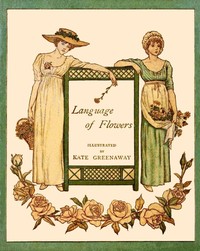
Kate Greenaway's 'Language of Flowers' pairs floral definitions with poetry by Shelley, Burns, and others. The book shifts from a terse dictionary of flower meanings to lyrical verses, creating a contrast between concise cataloging and expansive poetic voice.
Editorial Edition Score
4.5/5
★★★★★
★★★★★
Calculated from edition completeness, EPUB availability, text structure and catalogue metadata. Not a user rating.
How this score is calculated
- Description quality20 pts
- Title & short description10 pts
- Source metadata20 pts
- Text length15 pts
- Chapters / structure15 pts
- EPUB file integrity20 pts
Total of 100 points, scaled to a 2.5-5.0 range. Editions with an empty description or a missing EPUB file are not scored.
Edition quality
Read the Text
E-text prepared by Chuck Greif from page images generously made available by Internet Archive (http://www.archive.org)
Note: Project Gutenberg also has an HTML version of this file which includes the numerous and lovely original illustrations. See 31591-h.htm or 31591-h.zip: (https://www.gutenberg.org/cache/epub/31591/pg31591-images.html) or (https://www.gutenberg.org/files/31591/31591-h.zip)
Images of the original pages are available through Internet Archive. See http://www.archive.org/details/languageofflower00gree
_Language of Flowers_
Printed in Colours by Edmund Evans
London: George Routledge and Sons
Abecedary _Volatility._
Abatina _Fickleness._
Acacia, Rose or White _Elegance._
Acacia, Yellow _Secret love._
Acanthus _The fine arts. Artifice._
Achillea Millefolia _War._
Aconite (Wolfsbane) _Misanthropy._
Aconite, Crowfoot _Lustre._
Adonis, Flos _Painful recollections._
African Marigold _Vulgar minds._
Agnus Castus _Coldness. Indifference._
Agrimony _Thankfulness. Gratitude._
Almond (Common) _Stupidity. Indiscretion._
Almond (Flowering) _Hope._
Almond, Laurel _Perfidy_
Allspice _Compassion._
Aloe _Grief. Religious superstition._
Althaea Frutex (Syrian Mallow) _Persuasion._
Alyssum (Sweet) _Worth beyond beauty._
Amaranth (Globe) _Immortality. Unfading love._
Amaranth (Cockscomb) _Foppery. Affectation._
Amaryllis _Pride. Timidity. Splendid beauty._
Ambrosia _Love returned._
American Cowslip _Divine beauty._
American Elm _Patriotism._
American Linden _Matrimony._
American Starwort _Welcome to a stranger. Cheerfulness in old age._
Amethyst _Admiration._
Anemone (Zephyr Flower) _Sickness. Expectation._
Anemone (Garden) _Forsaken._
Angelica _Inspiration._
Apple (Blossom) _Preference. Fame speaks him great and good._
Apple, Thorn _Deceitful charms._
Apocynum (Dog's Vane) _Deceit._
Arbor Vitae _Unchanging Friendship. Live for me._
Arum (Wake Robin) _Ardour._
Ash-leaved Trumpet Flower _Separation._
Aspen Tree _Lamentation._
Aster (China) _Variety. Afterthought._
Asphodel _My regrets follow you to the grave._
Auricula, Scarlet _Avarice._
Austurtium _Splendour._
Bachelor's Buttons _Celibacy._
Balm, Gentle _Pleasantry._
Balm of Gilead _Cure. Relief._
Balsam, Red _Touch me not. Impatient resolves._
Balsam, Yellow _Impatience._
Barberry _Sourness of temper._
Barberry Tree _Sharpness._
Bay Leaf _I change but in death._
Bay (Rose) Rhododendron _Danger. Beware._
Bay Wreath _Reward of merit._
Bearded Crepis _Protection._
Beech Tree _Prosperity._
Bee Orchis _Industry._
Bell Flower, Pyramidal _Constancy._
Bell Flower (small white) _Gratitude._
Belvedere _I declare against you._
Bilberry _Treachery._
Bindweed, Great _Insinuation._
Bindweed, Small _Humility._
Birdsfoot Trefoil _Revenge._
Bittersweet; Nightshade _Truth._
Black Poplar _Courage._
Blackthorn _Difficulty._
Bladder Nut Tree _Frivolity. Amusement._
Bluebottle (Centaury) _Delicacy._
Bluebell _Constancy._
Blue-flowered Greek Valerian _Rupture._
Borus Henricus _Goodness._
Bramble _Lowliness. Envy. Remorse._
Branch of Currants _You please all._
Branch of Thorns _Severity. Rigour._
Bridal Rose _Happy love._
Broom _Humility. Neatness._
Buckbean _Calm repose._
Bud of White Rose _Heart ignorant of love._
Bulrush _Indiscretion. Docility._
Bundle of Reeds, with their Panicles _Music._
Burdock _Importunity. Touch me not._
Buttercup (Kingcup) _Ingratitude. Childishness._
Butterfly Orchis _Gaiety._
Butterfly Weed _Let me go._
Calla Aethiopica _Magnificent Beauty._
Calycanthus _Benevolence._
Camellia Japonica, Red _Unpretending excellence._
Camellia Japonica, White _Perfected loveliness._
Camomile _Energy in adversity._
Canary Grass _Perseverance._
Candytuft _Indifference._
Canterbury Bell _Acknowledgement._
Cape Jasmine _I'm too happy._
Cardamine _Paternal error._
Carnation, Deep Red _Alas! for my poor heart._
Carnation, Striped _Refusal._
Carnation, Yellow _Disdain._
Cardinal Flower _Distinction._
Catchfly, Red _Youthful love._
Catchfly, White _Betrayed._
Cedar of Lebanon _Incorruptible._
Cedar Leaf _I live for thee._
Celandine (Lesser) _Joys to come._
Cereus (Creeping) _Modest genius._
Champignon _Suspicion._
Chequered Fritillary _Persecution._
Cherry Tree _Good education._
Cherry Tree, White _Deception._
Chesnut Tree _Do me justice. Luxury._
Chickweed _Rendezvous._
China Aster _Variety._
China Aster, Double _I partake your sentiments._
China Aster, Single _I will think of it._
China or Indian Pink _Aversion._
China Rose _Beauty always new._
Chinese Chrysanthemum _Cheerfulness under adversity._
Christmas Rose _Relieve my anxiety._
Chrysanthemum, Red _I love._
Chrysanthemum, White _Truth._
Chrysanthemum, Yellow _Slighted love._
Cinquefoil _Maternal affection._
Cistus, or Rock Rose _Popular favour._
Cistus, Gum _I shall die to-morrow._
Citron _Ill-natured beauty._
Clematis _Mental beauty._
Clematis, Evergreen _Poverty._
Clotbur _Rudeness. Pertinacity._
Clover, Four-leaved _Be mine._
Clover, Red _Industry._
Clover, White _Think of me._
Cockscomb Amaranth _Foppery. Affectation. Singularity._
Colchicum, or Meadow Saffron _My best days are past._
Coltsfoot _Justice shall be done._
Columbine, Purple _Resolved to win._
Columbine, Red _Anxious and trembling._
Convolvulus, Blue (Minor) _Repose. Night._
Convolvulus, Major _Extinguished hopes._
Convolvulus, Pink _Worth sustained by judicious and tender affection._
Corchorus _Impatient of absence._
Coreopsis _Always cheerful._
Coreopsis Arkansa _Love at first sight._
Coriander _Hidden worth._
Corn, Broken _Quarrel._
Corn Straw _Agreement._
Corn Bottle _Delicacy._
Corn Cockle _Gentility._
Cornel Tree _Duration._
Coronella _Success crown your wishes._
Cowslip _Pensiveness. Winning grace._
Cowslip, American _Divine beauty. You are my divinity._
Cranberry _Cure for heartache._
Creeping Cereus _Horror._
Cress _Stability. Power._
Crocus, Spring _Youthful gladness._
Crocus, Saffron _Mirth._
Crown Imperial _Majesty. Power._
Crowfoot _Ingratitude._
Crowfoot (Aconite-leaved) _Lustre._
Cuckoo Plant _Ardour._
Cudweed, American _Unceasing remembrance._
Currant _Thy frown will kill me._
Cyclamen _Diffidence._
Cypress _Death. Mourning._
Dahlia _Instability._
Daisy, Garden _I share your sentiments_
Daisy, Michaelmas _Farewell._
Daisy, Party-coloured _Beauty._
Daisy, Wild _I will think of it._
Damask Rose _Brilliant complexion._
Dandelion _Rustic oracle._
Daphne Odora _Painting the lily._
Darnel (Ray grass) _Vice_
Dead Leaves _Sadness._
Dew Plant _A Serenade._
Dittany of Crete _Birth._
Kate Greenaway's Language of Flowers opens with a dictionary-like list pairing flower names with single-word or brief phrase meanings: 'Abecedary Volatility,' 'Abatina Fickleness,' 'Acacia Friendship.' This terse, alphabetical structure immediately establishes a reference-work tone. Yet the book soon shifts into poetry, including Shelley's 'The Sensitive Plant' and Burns's songs, where the voice expands into lyrical reflection. The transition from compressed definitions to flowing verse creates a striking change in pace and narrative voice.
From Catalog to Verse
The opening section reads as a straightforward lexicon: each entry is a flower name followed by a meaning, often a single word. For example, 'Acanthus The fine arts. Artifice.' or 'Aloe Grief. Religious superstition.' This format prioritizes brevity and utility, inviting quick reference. However, the inclusion of multiple meanings for some flowers—like 'Amaranth (Globe) Immortality. Unfading love.'—hints at a layered symbolism. The voice here is impersonal and factual, with no narrative framing. The reader is given a tool, not a story.
Then, without warning, the text introduces poetry. Shelley's 'The Sensitive Plant' occupies several pages, its lines flowing in rhythmic stanzas: 'The Sensitive Plant was the earliest / Up-gathered into the bosom of rest.' The shift is abrupt: from fragmented, noun-heavy entries to sustained, image-rich verse. This structural juxtaposition suggests that the dictionary is a prelude, and the poems are the heart of the work.
Poetic Voices and Regional Dialect
The poems in Language of Flowers are not attributed to a single author. Shelley's Romantic lyricism appears alongside Burns's Scots dialect songs. In 'O Luve Will Venture In,' Burns writes: 'O luve will venture in, where it daur na weel be seen'—the Scots 'daur' and 'weel' mark a distinct regional voice. Similarly, 'My Nannie's Awa' uses 'snaw-drap' for snowdrop and 'lav'rock' for lark, embedding the flowers in a specific linguistic landscape. These poems contrast sharply with the dictionary's standard English, introducing a colloquial, intimate tone. The shift in language—from formal catalog to dialect verse—alters the reading experience, making the flowers feel personal and lived-in.
Pace and the Rhythm of Listing
The dictionary portion moves at a rapid, staccato pace: entry after entry, each a quick hit of meaning. This creates a rhythm of accumulation, where the reader absorbs dozens of associations in a short span. In contrast, the poems slow the reading down. Shelley's lines, such as 'And when evening descended from heaven above, / And the earth was all rest, and the air was all love,' demand a different tempo—one of pause and reflection. Burns's songs, with their repeated refrains ('And a' to be a posie to my ain dear May'), introduce a musical, cyclical structure. The book thus oscillates between speed and stillness, between the efficiency of a list and the expansiveness of lyric. This variation in pace is a deliberate formal feature, not a flaw.
Readers approaching Language of Flowers should be prepared for its hybrid nature. The dictionary entries reward browsing, while the poems invite sustained attention. Notice how the meanings assigned to flowers in the first part sometimes echo or complicate the imagery in the verses—for instance, the 'Sensitive Plant' is not listed in the dictionary, yet Shelley's poem gives it a rich emotional life. The book asks to be read both as a reference and as an anthology, with the gaps between the two modes generating meaning.
Holding Greenaway's book, I remembered my grandmother’s worn copy of North American Wild Flowers — A Closer Reading, its pressed petals like quiet punctuation between the prose. That same shift happened there: bare lists of stems and leaves giving way to a fuller, breathing voice. It feels less like reading, more like recalling a soft conversation. Both books ask for patience, and I am grateful for that.
There are no reviews for this eBook.
There are no comments for this eBook.
Reader reflection
How will you remember this book?
Save your reaction, strongest insight, and memorable passage.
Your progress
0
/
10
2
How much did you enjoy the reading experience?
3
Would you encourage someone else to read it?
4
What was the reading difficulty like?
5
Could you follow the author’s main argument?
6
Would you like to discuss this book with someone?
7
How would you describe its reading pace?
8
How strongly did the book affect you emotionally?
9
What is the main idea you are taking away?
10