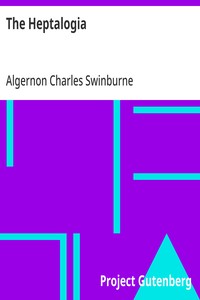
The Heptalogia by Algernon Charles Swinburne
Okay, let me just say right up front: I was not expecting The Heptalogia by Algernon Charles Swinburne to be this much fun. It's sneaky, weird, and a tiny bit rude—like the literary version of whispering jokes during a fancy, dull performance. And I can't stop thinking about it.
The Story
There is no 'plot,' at least not in the normal sense. The Heptalogia is actually seven long poems, and Swinburne wrote each one while pretending to be a different famous poet from his day. He becomes Tennyson, who sounds all noble and sad. He turns into Browning, the king of packing a million ideas into one bumpy line. He even parodies established groups like the Pre-Raphaelites. And then—ta-da—the final poem reveals Swinburne himself, only eerier and more direct than anyone had seen before. The secret journey? Watching him run through those masks, each in perfect rhythm and rhyme, until he yanke them all off right at the end. It is not a story in the typical sense; it's a game, and the clues are the styles themselves.
Why You Should Read It
Where do I begin? The Heptalogia is not just making fun of other poets. Each 'fake' poem sounds so much like the original writer that you catch yourself wondering if it's real. It creates a kind of eerie double vision—the words drift between generous imitation and sharp satire. And at the heart is Swinburne sneaking his favorite, forbidden themes: questioning religion, liberty, love, and what happens when art rules over all. There is an undercurrent of rebellion and real heart below this games. It bubbles your brain and reminds you that Victorian rule-breakers were clever, sneaky, and all-around more interesting than your encyclopedia says. A good comparison? Like overhearing a friendly, prickly argument among geniuses. Each piece sits in your head in a different way. I loved the personality in the shifts. The whole thing is daring in a style that doesn’t hurt modern readers at all.
Final Verdict
Perfect for poetry loathers who have never found an entry point—this book is like a Victorian roast sung to music. Also perfect for lit nerds who love games, puzzle brains, or secret histories. If you like clever comedy layered over honest concerns (freedom, art, that relentless 'self' vs. society fight), or just crave something totally odd and full of swagger—absolutely pick this up. Swinburne shows everyone he found smarter—found sharper, at least, at making readers laugh and think. I come back to the final poem again; that is. a great bargain for eleven cents a page-read, really.
This digital edition is based on a public domain text. Use this text in your own projects freely.
Nancy Thompson
6 months agoComparing this to other titles in the same genre, the language used is precise without being overly academic or confusing. A refreshing and intellectually stimulating read.
Ashley Hernandez
11 months agoGreat value and very well written.
John Lopez
8 months agoUnlike many other resources I've purchased before, the language used is precise without being overly academic or confusing. It definitely lives up to the reputation of the publisher.
Ashley Jones
9 months agoBefore I started my latest project, I read this and the transition between theoretical knowledge and practical application is seamless. If you want to master this topic, start right here.
Robert Harris
10 months agoThe clarity of the introduction set high expectations, and the step-by-step breakdown of the methodology is extremely helpful for students. I'll be recommending this to my students and colleagues alike.