
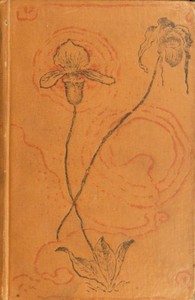
On Board the "Rocket" by Robert C. Adams
Robert C. Adams was a Canadian journalist with a front-row seat to history, and in 'On Board the "Rocket"', he invites us along for a very strange trip. This isn't fiction; it's his firsthand account of a real transatlantic voyage that turned into a floating crime scene.
The Story
The book follows Adams as he travels from Quebec to Liverpool aboard the steamship 'Rocket' in the 1870s. The journey starts like any other, with a mix of passengers from all walks of life thrown together. But things take a sharp turn when a serious crime is discovered on board. Suddenly, the ship becomes a locked-room mystery. Adams, using his reporter's instincts, details the investigation that unfolds. He describes the growing suspicion among passengers, the captain's authority being tested, and the frustrating process of trying to find the culprit while trapped on the open ocean. The narrative is less about a dramatic chase and more about the psychological tension of confinement and the slow, meticulous work of piecing together clues before they reach the next port.
Why You Should Read It
What makes this book special is Adams's voice. He's not a dry historian; he's a sharp observer with opinions. You get his witty takes on his fellow passengers, his frustrations with the slow pace of sea travel, and his genuine curiosity about the mystery. He paints a vivid picture of steamship life—the food, the boredom, the stormy weather, the class divisions. The crime itself is the engine of the plot, but the real fascination is the social experiment it triggers. It's a snapshot of Victorian morals, justice, and community under extreme pressure. Reading it feels like uncovering a lost diary full of secrets.
Final Verdict
This is a perfect pick for readers who enjoy narrative nonfiction that doesn't read like a textbook. If you're fascinated by maritime history, the origins of true crime reporting, or just love a solid mystery with an authentic historical backdrop, you'll be captivated. It's also a great, accessible entry point into 19th-century primary sources. Be prepared for the language of its time, but Adams's storytelling is clear and engaging. Think of it as a long-form article from 150 years ago—one with incredible staying power.
This title is part of the public domain archive. Knowledge should be free and accessible.
Ethan Miller
9 months agoI started reading out of curiosity and the narrative structure is incredibly compelling. One of the best books I've read this year.
Michelle Wilson
9 months agoThe fonts used are very comfortable for long reading sessions.
Michelle Hernandez
10 months agoSurprisingly enough, it creates a vivid world that you simply do not want to leave. Worth every second.
Matthew Anderson
7 months agoThis is one of those stories where the arguments are well-supported by credible references. One of the best books I've read this year.




Kimberly Martin
2 months agoThis digital copy caught my eye due to its reputation, the author manages to bridge the gap between theory and practice effectively. It definitely lives up to the reputation of the publisher.