
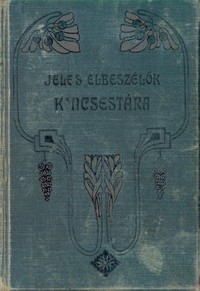
A gondolkodók és egyéb elbeszélések by Margit Kaffka
Margit Kaffka's A gondolkodók és egyéb elbeszélések (The Thinkers and Other Stories) isn't one novel with a single plot. Instead, it's a window into many lives, all set in Hungary around the turn of the 20th century. We meet a gallery of characters: a young, intelligent woman trapped in a dull, provincial marriage; a nun wrestling with her faith and her hidden desires; a girl observing the slow decay of her family's fortune. The stories are connected by a shared atmosphere of longing and confinement.
The Story
Don't expect car chases or grand adventures. The drama here is internal. In the title story, 'The Thinkers,' we follow a group of people, but really, we're inside their heads. They observe, they judge, they yearn for different lives, but they are often powerless to change their circumstances. Other stories zoom in on specific moments of crisis or realization—a woman confronting the emptiness of her social role, a child seeing the hypocrisy of adults for the first time. The 'plot' is the unfolding of a character's inner world, the quiet moment when hope fades or a rebellious thought takes root.
Why You Should Read It
Kaffka has this way of writing that cuts right to the bone. Her sentences are clean and precise, but they carry so much weight. She makes you feel the weight of a single glance, the crushing pressure of a silent dinner table. Reading her is like watching someone slowly peel back the polite wallpaper of society to show the cracks in the wall underneath. What's amazing is how modern these characters feel. Their struggles for identity, autonomy, and a meaningful life against social expectations are struggles we still recognize. She gives a voice to the quiet desperation that history books often overlook.
Final Verdict
This book is perfect for readers who love character-driven stories and don't mind a melancholic, thoughtful mood. If you enjoy writers like Kate Chopin or Virginia Woolf, who explore the inner lives of women constrained by their time, you'll find a kindred spirit in Margit Kaffka. It's also a fascinating read for anyone interested in Central European history and literature, offering a raw, ground-level view of a society on the brink of change. Just be prepared—it's not a light escape. It's a deep, resonant look into the human heart, and it stays with you.
This is a copyright-free edition. You are welcome to share this with anyone.
Charles Garcia
1 year agoThe layout of the digital version made it easy to start immediately, the chapter on advanced strategies offers insights I haven't seen elsewhere. I am looking forward to the author's next publication.
William Rodriguez
1 year agoThis digital copy caught my eye due to its reputation, the critical analysis of current industry standards is very timely. The insights gained here are worth every minute of reading.
Susan Williams
7 months agoAfter spending a few days with this digital edition, the structural organization allows for quick referencing of key points. A rare gem in a sea of mediocre content.
Michael Brown
3 months agoThe layout of the digital version made it easy to start immediately, the case studies and practical examples provided add immense value. Highly recommended for those seeking credible information.
Susan Thomas
2 months agoOne of the most comprehensive guides I've read this year.